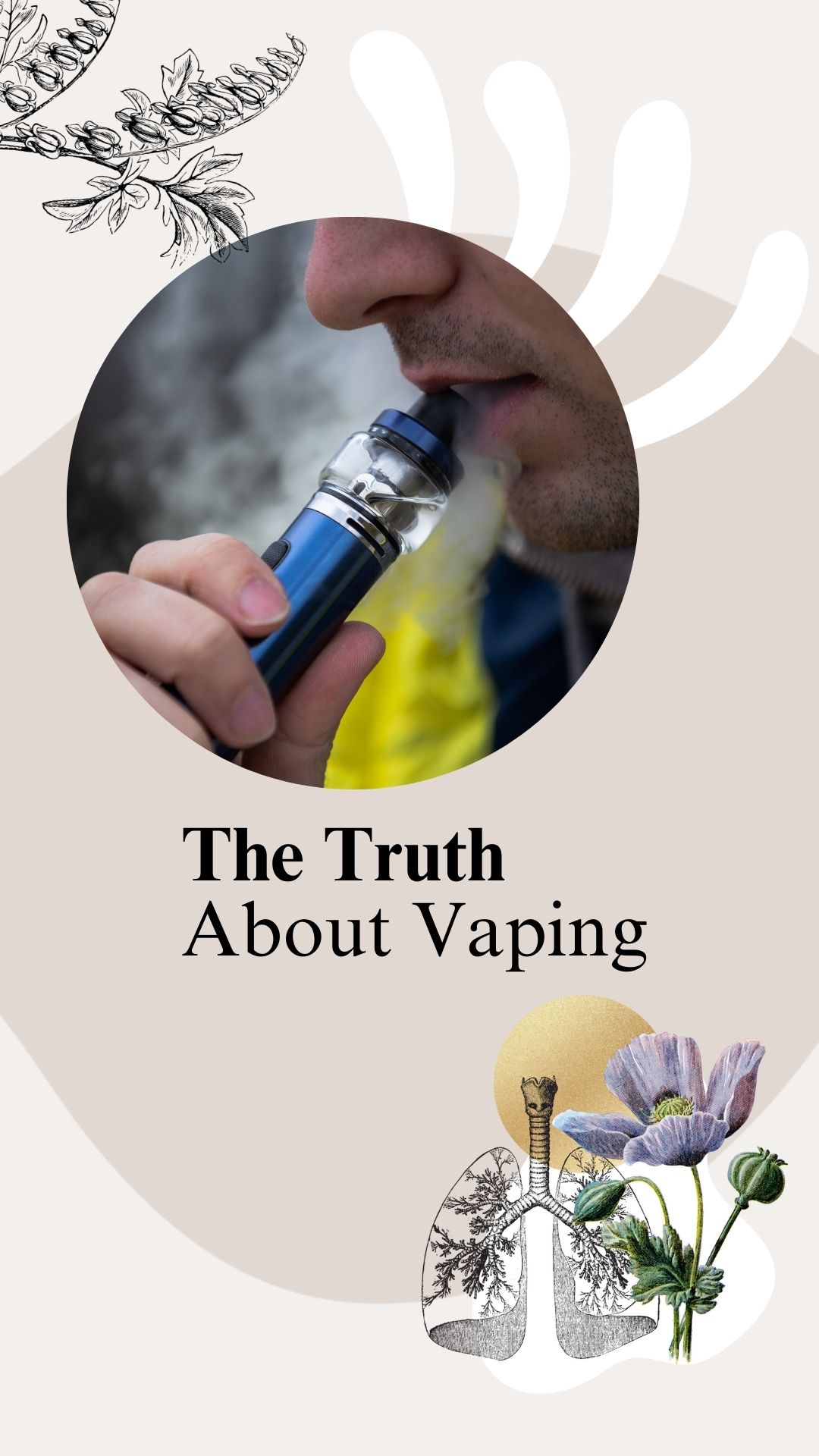
The Truth About Vaping: What You Need to Know
Vaping has taken the world by storm, particularly among young people who often see it as a harmless alternative to smoking. Originally marketed as a tool to help smokers quit, e-cigarettes have now become a widely used recreational product. But behind the sleek packaging and enticing flavours lies a reality that many don’t fully understand – the long-term effects of vaping remain largely unknown, and what we do know is deeply concerning.
A Public Health Crisis in the Making
One of the biggest misconceptions about smoking is that nicotine is the most harmful and addictive substance and that vaping without nicotine is less harmful… In reality, e-cigarettes emit a cocktail of dangerous compounds, including formaldehyde, acetaldehyde, and acrolein – chemicals that are by-products of the thermal breakdown of e-liquid ingredients. Formaldehyde, for example, is classified as a Group 1 human carcinogen, directly linked to cancer. Shockingly, there are no regulations on the amounts of these chemicals present in vaping products, leaving users exposed to high levels of harmful toxins.
Vapes also hold a novelty of customisation with adjustable power levels, varying e-liquid content, and an abundance of flavours. This makes regulating these products extremely challenging. Furthermore, there are no limitations on nicotine concentrations in e-liquids, allowing dangerously high doses of nicotine to be consumed. Many e-cigarette products, like JUUL, contain nicotine levels equivalent to or greater than those found in traditional cigarettes, promoting addiction.
False advertising is another major issue. While marketed as smoking cessation aids, vaping devices have become a gateway to nicotine addiction, especially for adolescents and non-smokers. With no social or public restrictions on where vaping is allowed, it further normalises the behaviour. The absence of age restrictions on purchasing and the lack of regulations on marketing means minors have easy access to these products.
How Vaping Affects Your Health
The impact of vaping extends far beyond just the lungs. Research has linked it to serious consequences for oral health, cardiovascular function, respiratory health, and even brain development.
Oral Health Risks
The ingredients in e-liquids wreak havoc on the mouth. Propylene glycol, a common component, reduces saliva production, leading to dry mouth and discomfort. This, combined with sugary flavouring agents, creates the perfect conditions for cavities to develop. At the same time, chemicals like diacetyl and methylglyoxal damage oral tissues, increasing the risk of infections such as oral thrush. Long-term exposure to these substances can also weaken tooth enamel, cause discolouration, and elevate the risk of developing oral cancers.
Heart Health Risks
Vaping puts an immense strain on the heart. When nicotine binds to receptors in the heart, it increases heart rate, blood pressure, and overall cardiac workload while also narrowing blood vessels. This limits oxygen supply to vital organs and contributes to the development of conditions like stroke, heart attack, coronary artery disease, and peripheral artery disease. Additionally, vaping has been shown to trigger the IL-6 inflammatory pathway, accelerating plaque buildup in the arteries – a key factor in heart disease.
The Respiratory Toll
Despite being marketed as a “cleaner” alternative to smoking, vaping can cause significant lung damage. The inhalation of diacetyl and other flavouring agents has been linked to a condition known as “popcorn lung,” which causes airway scarring and breathing difficulties. Chronic exposure to vaping has also been associated with symptoms similar to chronic bronchitis, including persistent coughing, wheezing, and shortness of breath. In severe cases, vaping has been linked to life-threatening conditions like EVALI (e-cigarette or vaping product use-associated lung injury), pulmonary bleeding, and acute eosinophilic pneumonia, a rapidly progressing illness that can be fatal.
The Impact on Brain Function
For young users, the neurological effects of vaping are particularly alarming. Nicotine disrupts normal brain development, making adolescents more vulnerable to addiction. Over time, this can lead to mood disorders such as anxiety and depression, as well as cognitive impairments, including reduced attention span and difficulty with impulse control. Nicotine also interferes with synaptic plasticity – the brain’s ability to form and strengthen connections necessary for learning and memory. Studies suggest that young vapers may experience deficits in working memory, verbal reasoning, and attention, potentially affecting their academic performance and decision-making skills.
The Consequences of Unregulated Vaping
The lack of regulations on e-cigarettes has led to severe consequences. Without restrictions on nicotine concentrations, users often consume excessive amounts, increasing the risk of addiction and overdose. Additionally, the absence of designated no-smoking zones means users frequently engage in chain-smoking, reinforcing habitual behaviours through instant gratification.
Marketing campaigns often target young audiences with bright packaging, social media endorsements, and attractive flavours, contributing to a surge in underage vaping. With no regulations on the age of purchase, teenagers are more likely to start vaping at an early age, potentially progressing to other tobacco products or illicit substances.
Moreover, the normalisation of public vaping undermines the progress made in reducing smoking rates. Without social stigma or enforcement of smoke-free zones, non-smokers are exposed to second-hand emissions, posing additional health risks.
The Bottom Line
Vaping is far from the harmless habit many believe it to be. With no regulations on the amounts of harmful chemicals present in e-cigarettes, users are unknowingly exposing themselves to a host of serious health risks. From lung disease and heart complications to neurological damage and oral health issues, the consequences of vaping are wide-ranging and potentially life-threatening.
If you’re currently vaping, it’s worth taking a step back and considering the bigger picture. While quitting may not be easy, protecting your long-term health is well worth the effort.