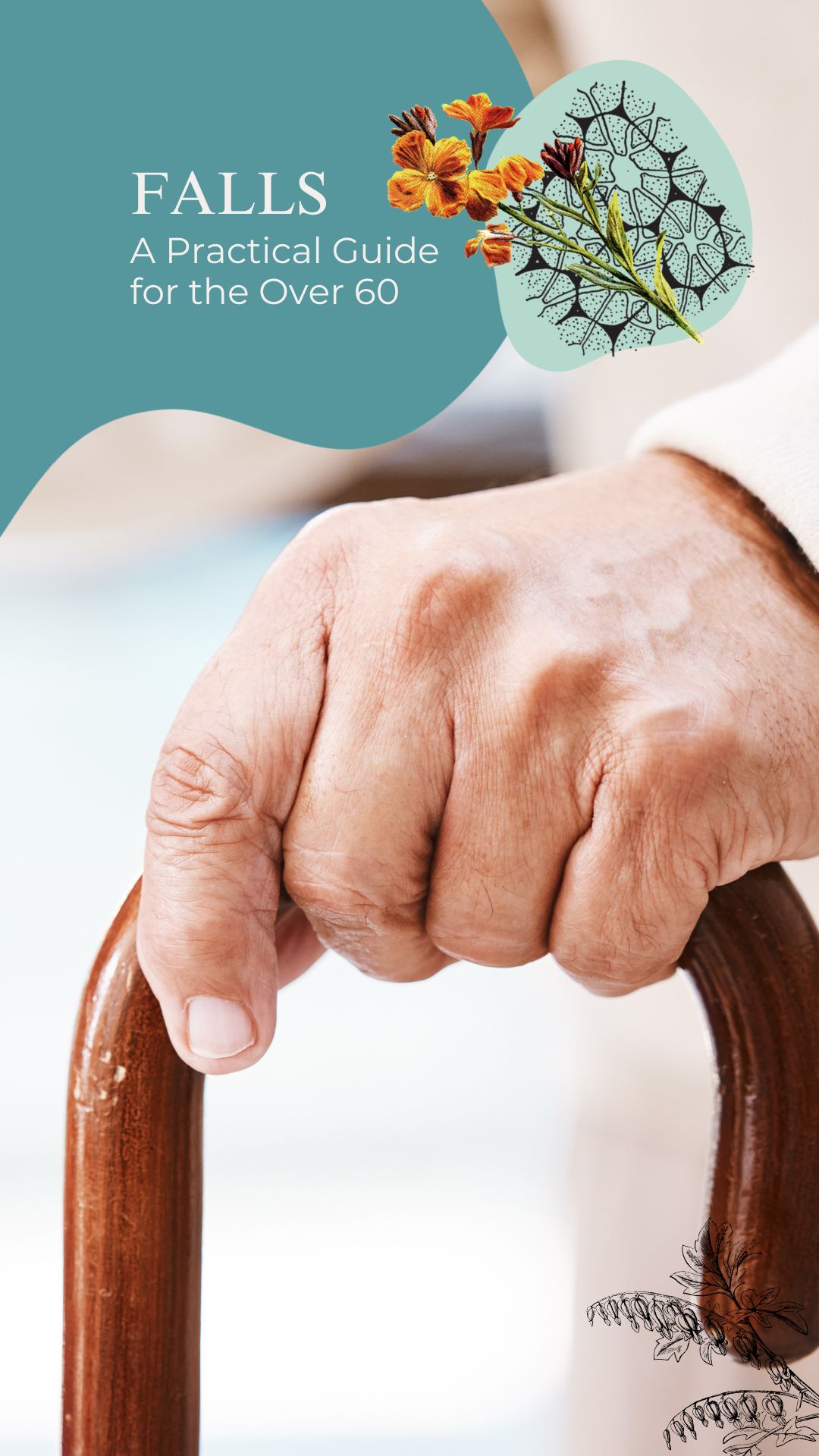
Falls: A Practical Guide for the Over 60s
Falling can happen to anyone, but for those over 60, it’s more than just a stumble — it’s a serious health concern that can impact your independence and quality of life. If you or someone you love is over 65, understanding the risks and knowing how to prevent falls is crucial.
Are You at Risk of Falling?
Ask yourself these questions:
- Have you had any falls in the past year?
- Do you feel unsteady when standing or walking?
- Are you taking four or more medications daily?
- Is it difficult to get up from a chair without using your arms?
- Have you had a stroke or been diagnosed with Parkinson’s Disease?
If you answered “yes” to any of these, it’s important to talk to your doctor. They can help identify factors that increase your risk and work with you to reduce it.
Common Risk Factors Include:
- Age over 65
- Previous falls or fractures due to falls
- Taking multiple medications (e.g., blood pressure meds, antidepressants, sleeping tablets)
- Poor balance or muscle weakness
- Vision problems
- Medical conditions like stroke, Parkinson’s, arthritis, or incontinence
- Excessive alcohol consumption
Why Are Falls Such a Big Deal?
Falls for younger people often mean a bruise or a quick recovery. But for older adults, falls can have severe consequences. Around 30-60% of people over 65 experience a fall every year. Injuries like hip fractures, broken wrists, or vertebrae are common and can lead to long-term mobility issues. In fact, many never regain their previous level of independence.
Even when a fall doesn’t cause physical injury, it can lead to a fear of falling again, loss of confidence, depression, and increased dependence on others — all of which can lead to social withdrawal.
Prevention Is the Best Medicine
If you’ve experienced a fall or feel at risk, get a medical check-up focused on:
- Your balance and muscle strength
- Any dizziness or weakness
- Eye health
- Heart rhythm
- Vitamin D levels
Your doctor can help manage medical issues and may recommend treatments or lifestyle changes to lower your risk.
Boost Your Stability and Confidence
Regular exercise is key to preventing falls:
- Go for daily walks.
- Try balance and strengthening exercises—join classes designed for seniors or consult a physiotherapist.
- Avoid shuffling your feet; lift them when you walk.
- Use mobility aids like a cane or walker if needed—never hesitate to use these tools to stay safe.
Make Your Home Safer
Small changes can greatly reduce your risk at home:
- Remove clutter, loose rugs, and cables that could trip you.
- Install grab rails where needed.
- Avoid ladders or standing on chairs.
- Keep frequently used items within easy reach to avoid stretching or climbing.
- Use night lights to avoid walking in the dark.
Consider asking an occupational therapist or trained nurse to assess your home for hazards. This free service can help tailor your environment for maximum safety.
Have a Plan for In Case You Fall
Falling isn’t the end of the world, but having a plan can make all the difference.
- Make sure someone can get to you: Leave a key with a trusted neighbour.
- Stay connected: Have a family member or friend check in regularly by phone or message.
- Use technology: Devices like smartwatches or personal alarms can alert someone if you fall.
- Keep important info handy: Write down your medical history, medication list, emergency contacts, and medical aid details.
If You Fall:
- Stay calm and take a moment to assess yourself: Are you injured? Can you move?
- If you’re alone, try rolling onto your hands and knees, crawl to a chair, and carefully pull yourself up.
- Call or shout for help if you can.
- Call emergency services if you are injured, dizzy, or unable to move.
For more information, WhatsApp the Fracture Liaison Service Johannesburg on 072 370 4016.